When considering facial rejuvenation, one of the most common questions patients ask is, “What is the best age for a facelift?” Aging affects everyone differently, and while there’s no single perfect age, certain trends and recommendations can help determine the ideal time. A facelift, or rhytidectomy, addresses visible signs of aging such as sagging skin, deep folds, and jowls. Whether you’re in your 40s noticing early signs or in your 60s aiming for more dramatic results, timing plays a critical role in achieving long-lasting, natural-looking improvements.
What Is a Facelift?
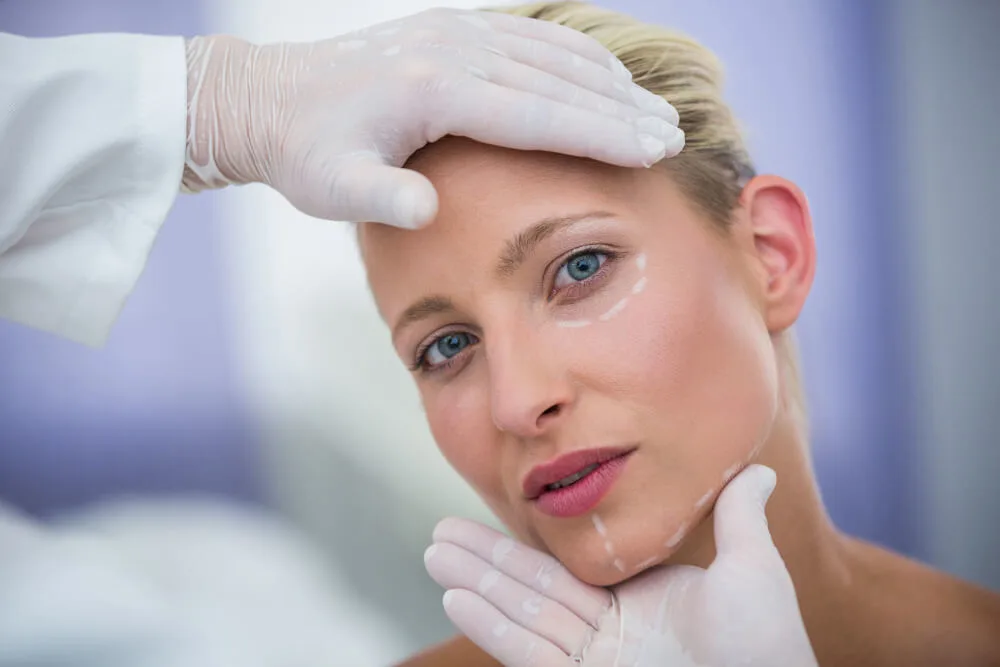
A facelift is a surgical cosmetic procedure that lifts and tightens facial tissues to reduce the appearance of aging. It targets the lower two-thirds of the face and sometimes includes the neck area. Unlike non-surgical treatments, facelifts provide more significant, longer-lasting results.
What Age Is Ideal for a Facelift?
There isn’t a fixed “perfect” age, but most surgeons agree that patients in their late 40s to early 60s tend to see the best results. This is because:
The skin still has some elasticity.
Underlying muscles and structures respond well to surgery.
Recovery is often easier in this age group.
However, younger individuals with genetic predispositions or premature aging may benefit earlier.
Can You Get a Facelift in Your 30s?
Yes, but it’s rare and usually unnecessary.
Patients in their 30s often benefit more from non-invasive procedures like fillers or skin tightening lasers. Surgical facelifts at this age are uncommon unless there are specific medical or genetic reasons.
What About a Facelift in Your 40s?
This can be the ideal window for early intervention.
Many people in their 40s begin to notice sagging skin, nasolabial folds, and jowling. A mini facelift or less invasive lift may be enough at this stage, resulting in quicker recovery and more natural results.
Is 50 Too Late for a Facelift?
Not at all—it’s actually very common.
Many patients in their 50s are excellent candidates for a full facelift, especially if signs of aging have become more prominent. Skin laxity and volume loss can be effectively addressed during this decade.
Can You Get a Facelift in Your 60s?
Yes, but skin quality and health matter.
While results can still be dramatic, those in their 60s may need more comprehensive work, possibly including neck lifts or eyelid surgery. Health and realistic expectations are key to success.
Mini Facelift vs. Full Facelift
A mini facelift is less invasive and best for those with mild to moderate sagging. It typically suits younger patients (40s to early 50s) and involves shorter scars and faster recovery. A full facelift addresses deeper wrinkles, significant sagging, and neck laxity—ideal for patients in their mid-50s and older.
How Long Do Facelift Results Last?
Facelift results typically last 8–12 years. Factors like skin quality, lifestyle, genetics, and sun exposure all influence longevity. Maintenance with skincare, fillers, or laser treatments can help extend results.
What’s the Best Age Based on Your Goals?
Natural-looking enhancement: 40s to early 50s
Reversing moderate aging signs: Late 50s
Correcting advanced sagging: 60s
Proactive rejuvenation: Late 30s (non-surgical or mini lift)
Other Considerations Before Choosing a Facelift
Overall health status
Smoking habits
Skin type and thickness
Personal aging concerns
Willingness to undergo downtime
Frequantly Asked Questions
Is It Ever Too Late for a Facelift?
Patients in their 70s can still be candidates if they’re in good health and have realistic expectations. The decision is based more on medical condition and skin quality than age alone.
Do Men Get Facelifts Too?
More men are opting for facelifts to stay competitive in their careers or simply to feel more confident. Techniques are adjusted to preserve masculine features.
Will a Facelift Make You Look Fake?
Modern facelift techniques aim for natural results. A well-performed facelift should refresh your appearance without changing your facial identity.